

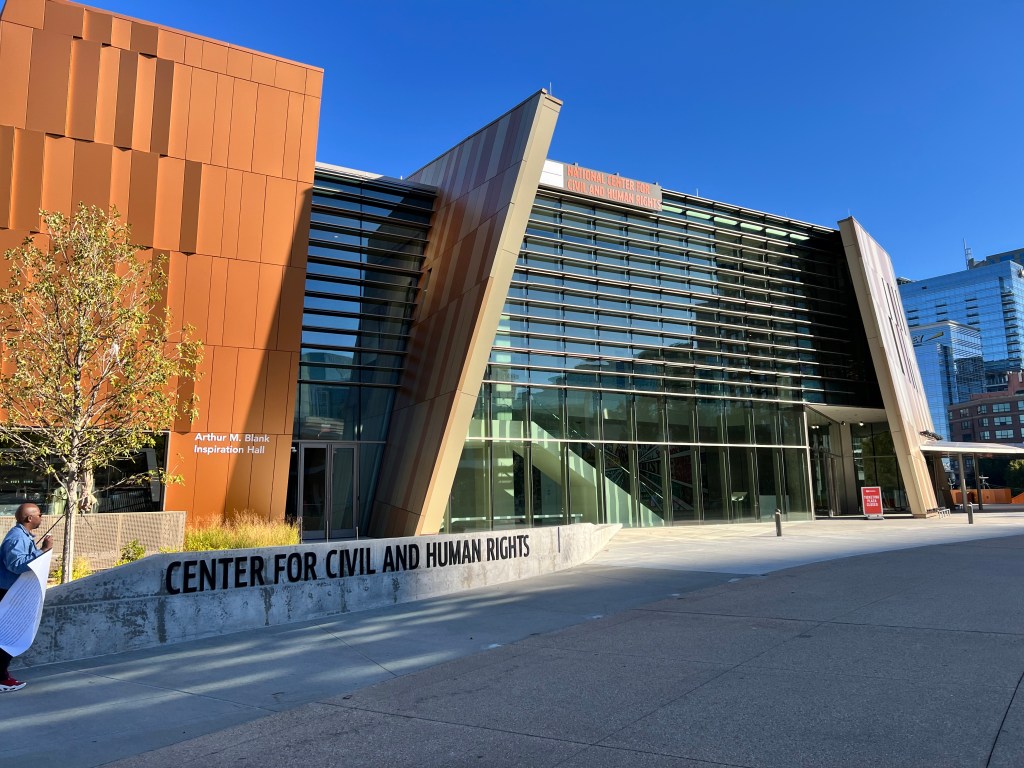
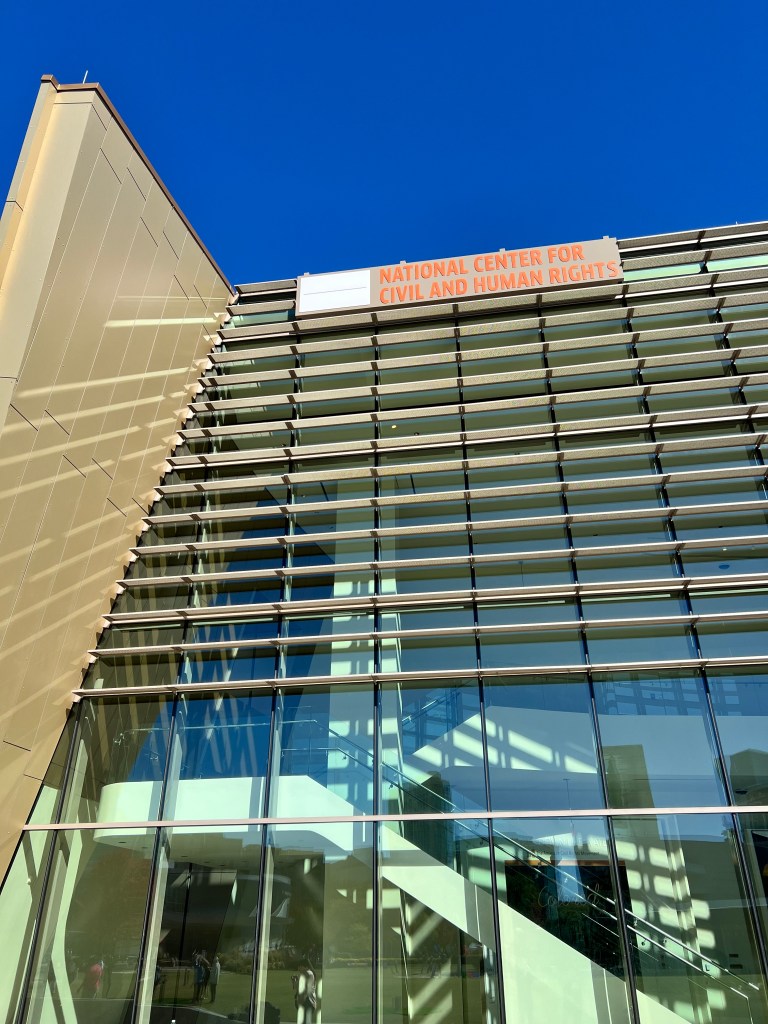
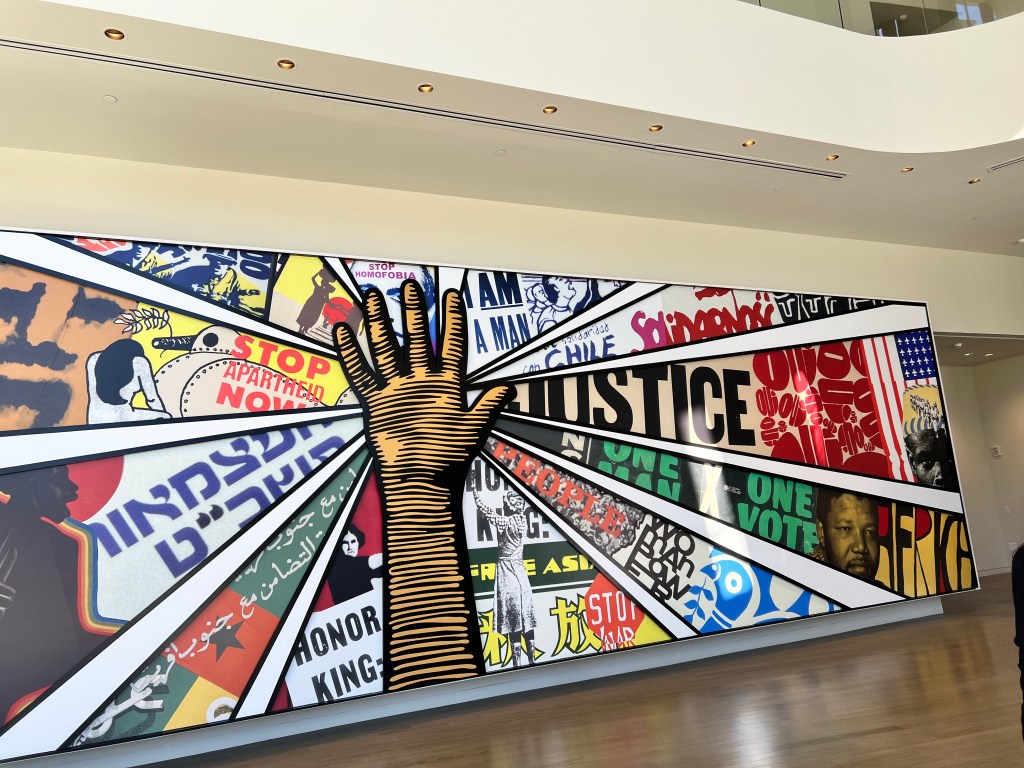
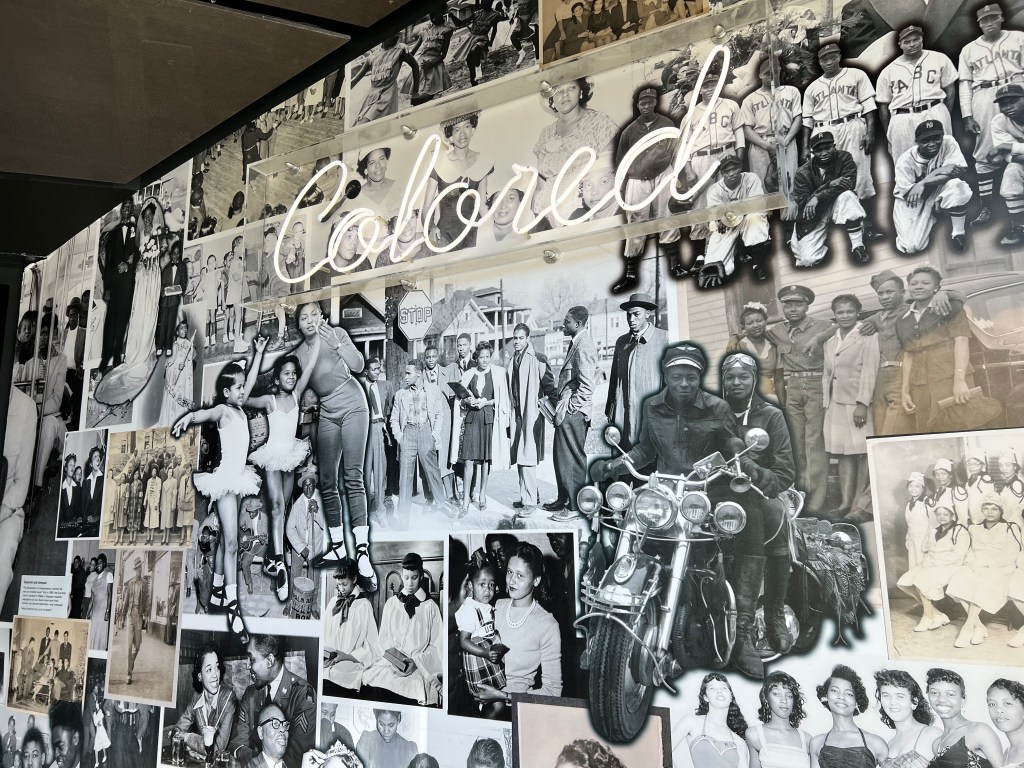
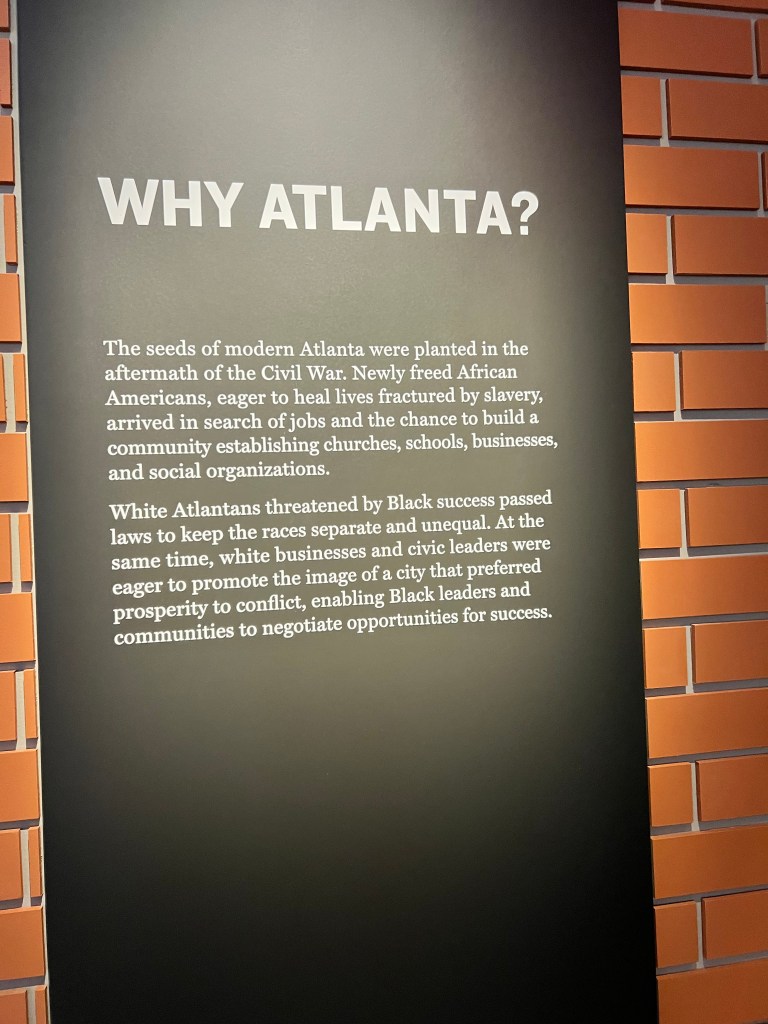
Today, I had the chance to walk through the Center for Civil and Human Rights, located inside downtown Atlanta, Georgia. The day was gorgeous; the sun was shining, and the temperatures were perfect. Visiting the Center for Civil and Human Rights was a great way to spend the day. Entering the museum puts the history of civil and human rights in the United States into perspective. I am a proud African American female, and while I admit that I am a nerd, I am well aware that my history is not always pretty. Walking through these exhibits reminds me of how dangerous our history has been over the centuries.

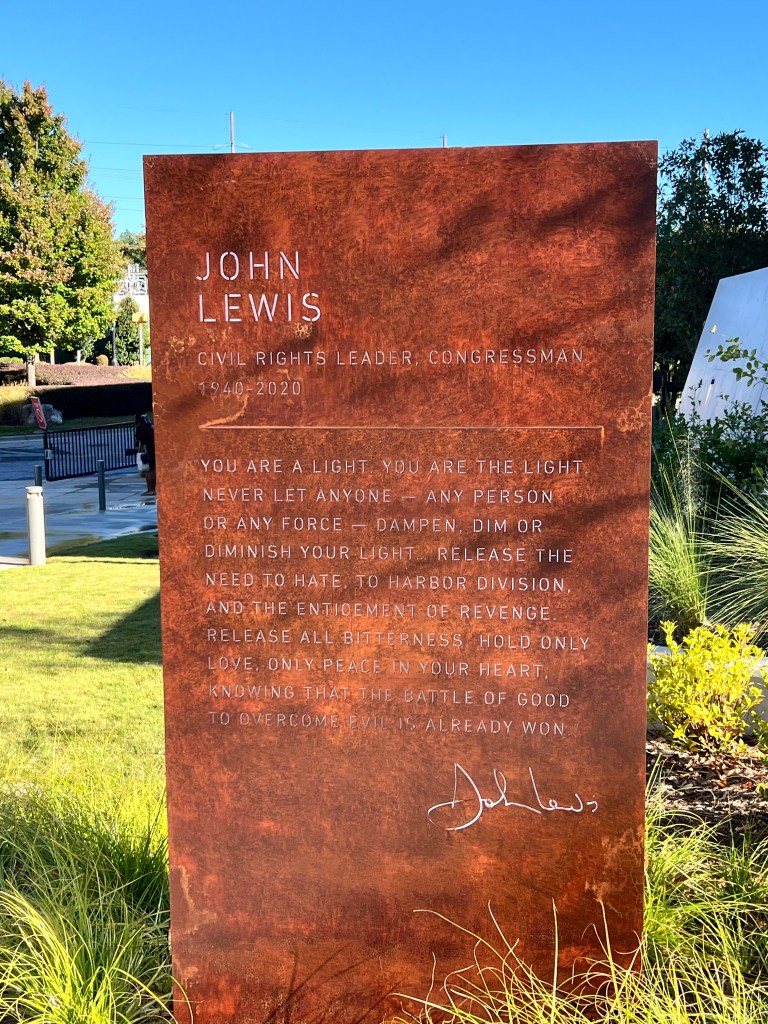
These exhibits remind me that a lot of what we know as the Civil Rights era is not that old. One of the exhibits in the museum features a list of the Jim Crow laws that were in effect in the United States. Jim Crow laws were active from the 1870s to the mid-1960s. They are laws that were enacted to encourage segregation, while stripping minorities of their rights. Some of these laws are crazy to imagine happening now. For instance, one of the laws regarding education states that a separate school shall be maintained for children of the white and colored races. Public school funds shall be restricted to schools that are defined as racially segregated, which is why Brown versus Board of Education is an essential landmark in the United States today. Jim Crow even had laws and rules for personal relationships. The law states it shall here and forth be unlawful for any white person to marry save a white person or a person with no other admixture of blood, then white and American Indian (Center for Civil and Human Rights).
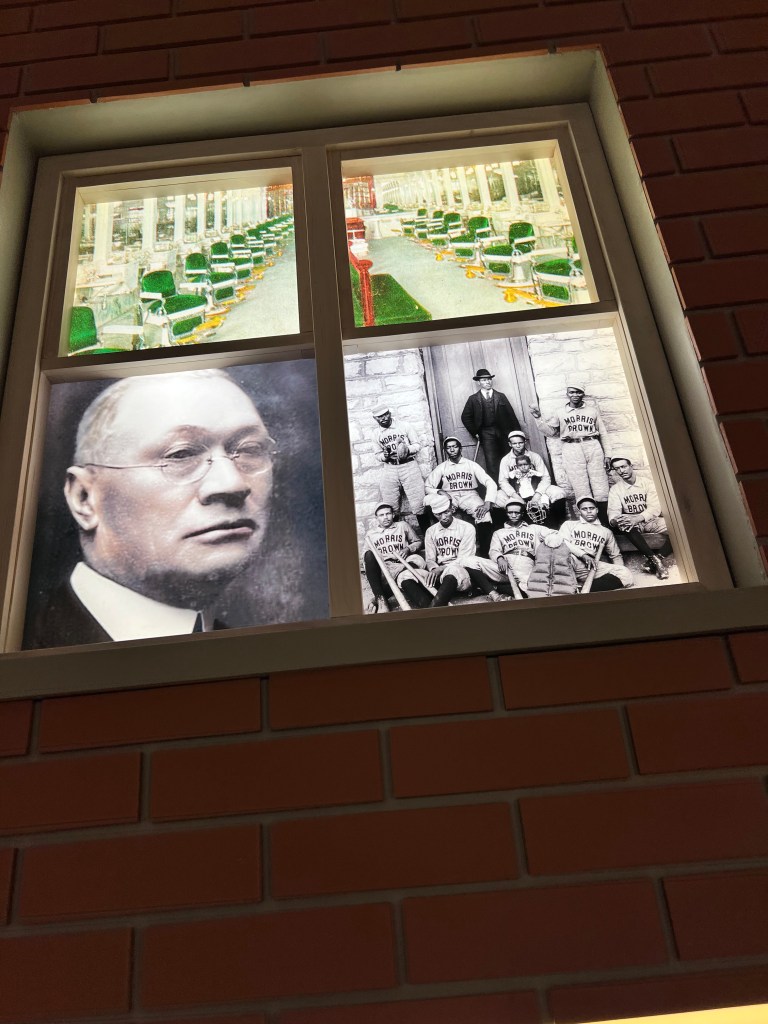
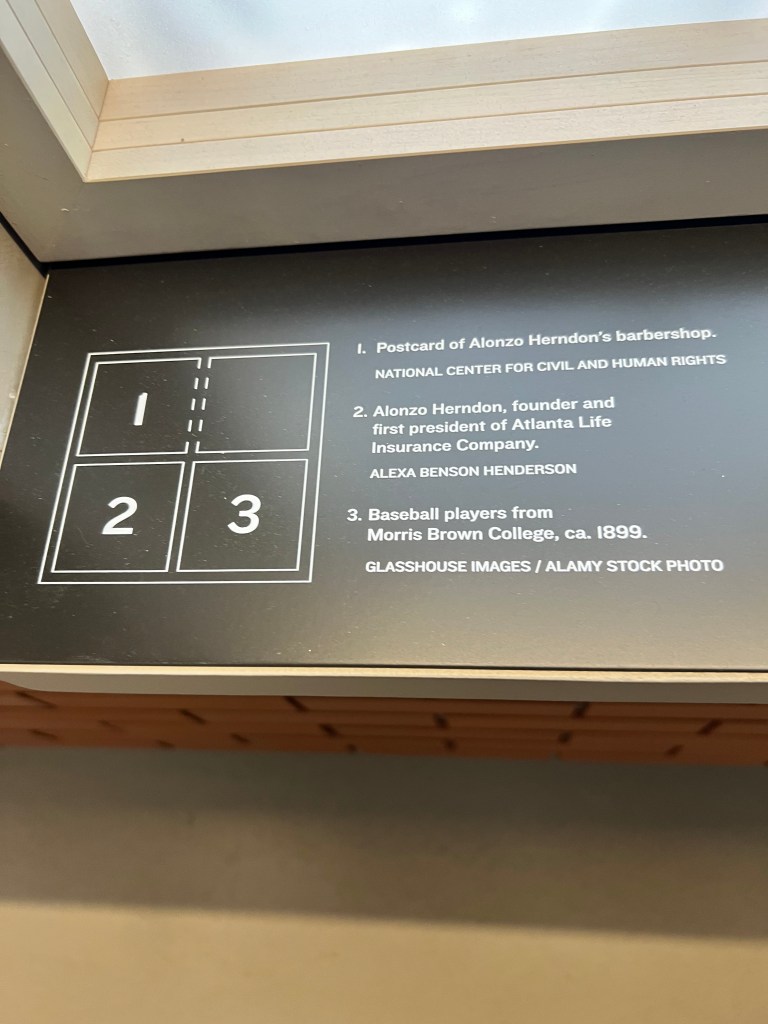
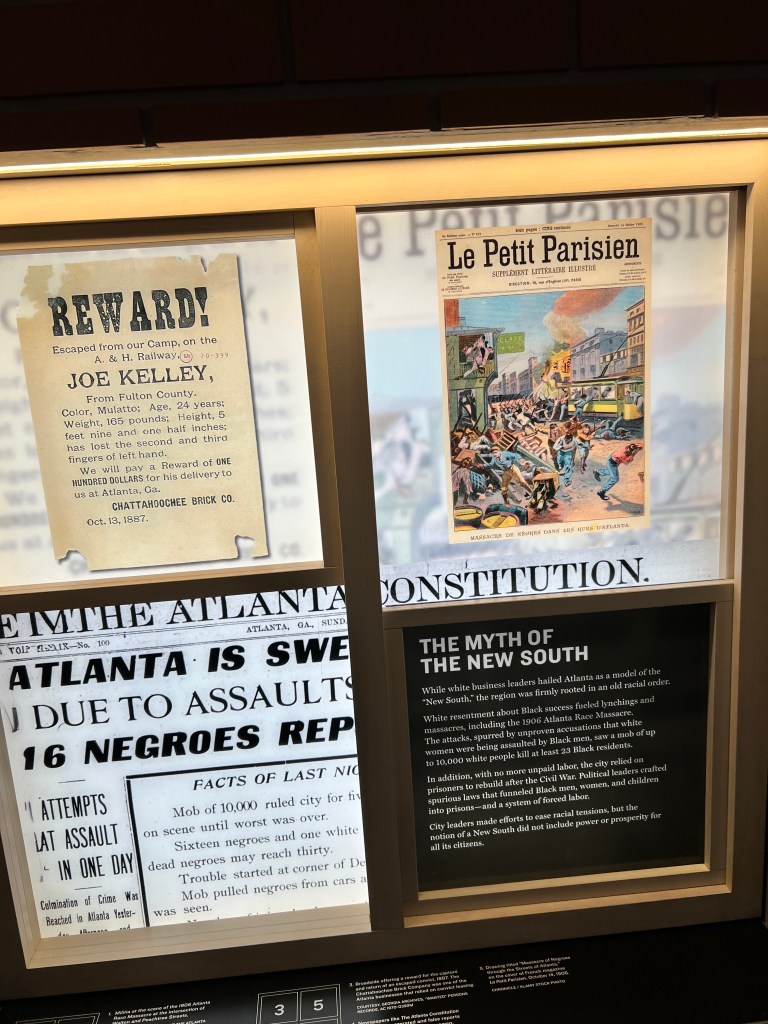
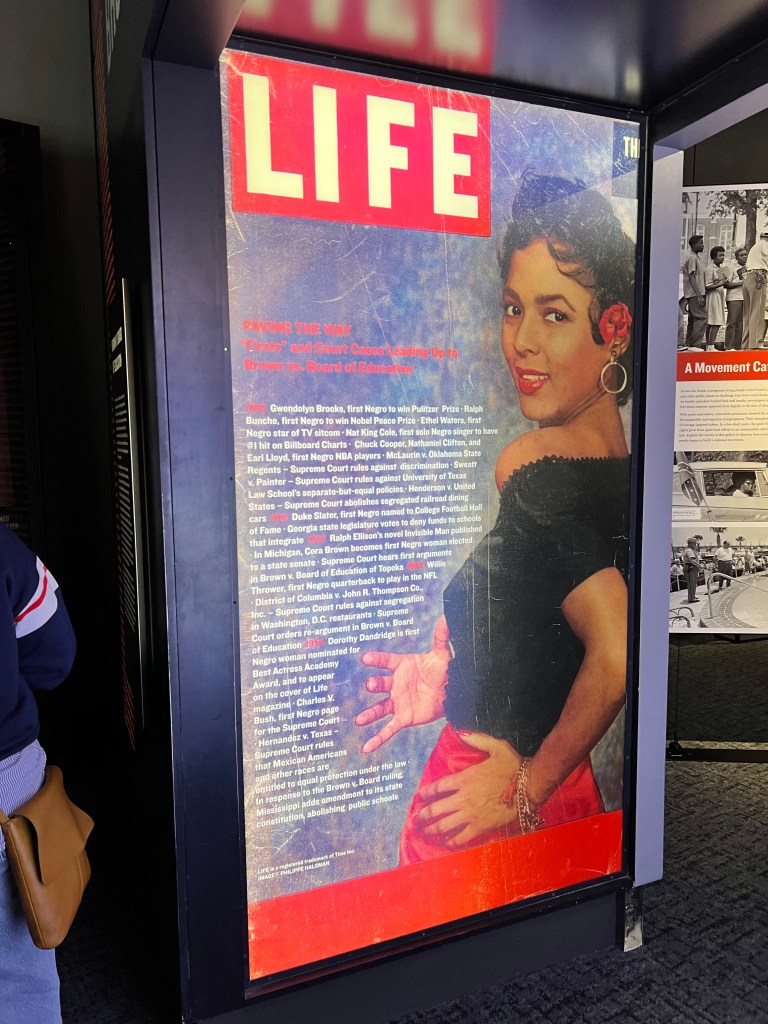
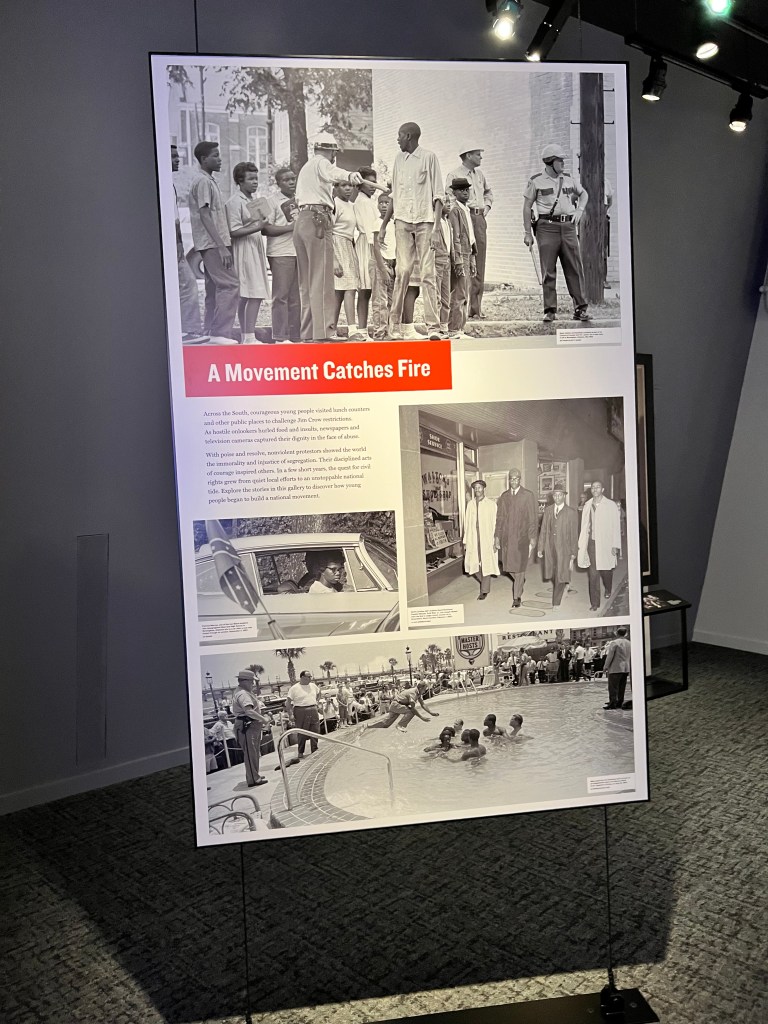
The museum has a display where you can sit at a lunch counter. It is designed to resemble the counters where the lunch counter protest took place. Lunch counter sit-ins took place from the 1940s to the 1960s. The lunch counter exhibit features audio and seats that move, as though there are people behind you kicking the seats and pushing you. It sounds like you’re literally there. This puts into perspective what the protesters went through so that we can be treated as equals. All that the student protesters were asking for was to sit at a lunch counter and be served. The ability to do that is something that I feel is often overlooked. The lunch counter is a rough exhibit, but it is also something I think that everybody should try at least once.
One thing I’ve loved about the Center for Civil Rights is that it honors the people who were in the background during the civil rights movement. While everybody has heard of Malcolm X and Martin Luther King, we must remember those who were behind the scenes, fighting for the rights of people in the United States. One of the moving exhibits is two of the four little girls who were killed in the church bombing in March 1963. These little girls were going to church, and they were innocent members of the black community. The museum also talks about the three Mississippi murders of the three young men who were in Mississippi, trying to register Black people to vote. This event inspired the movie “Mississippi Burning”.
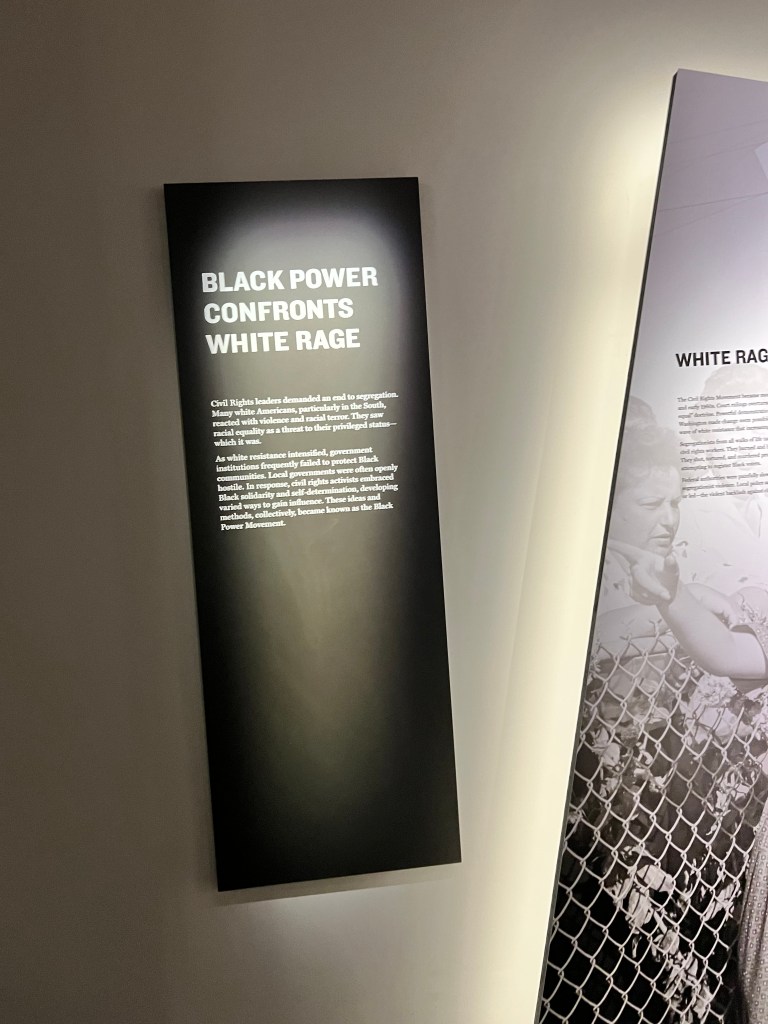
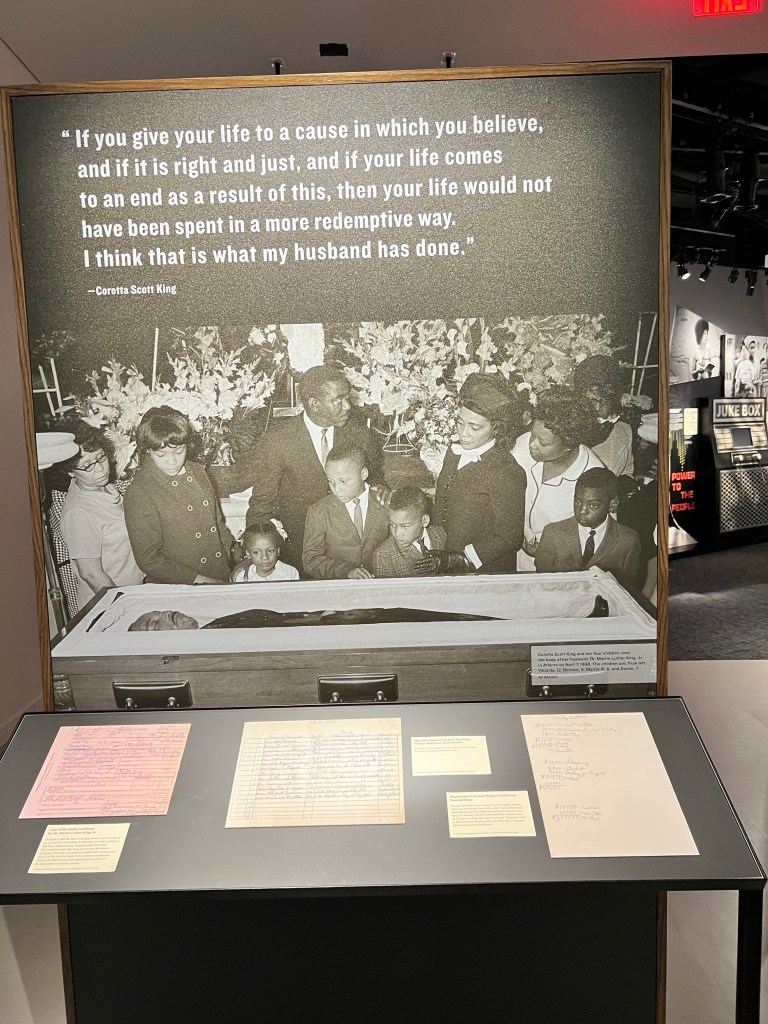
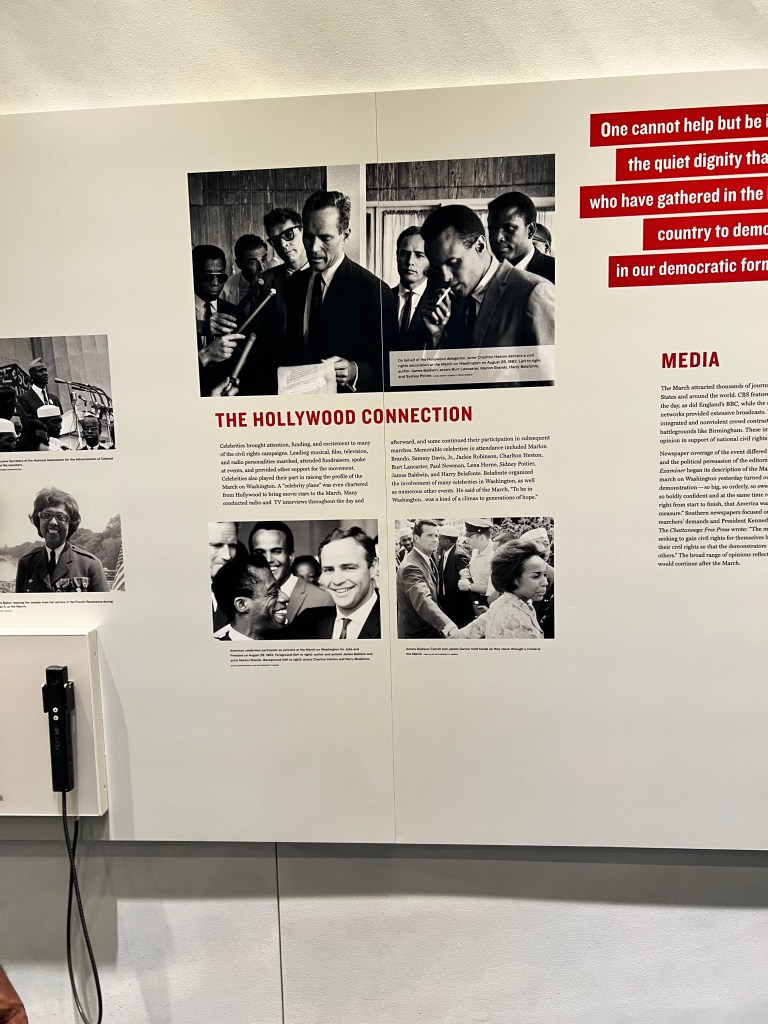
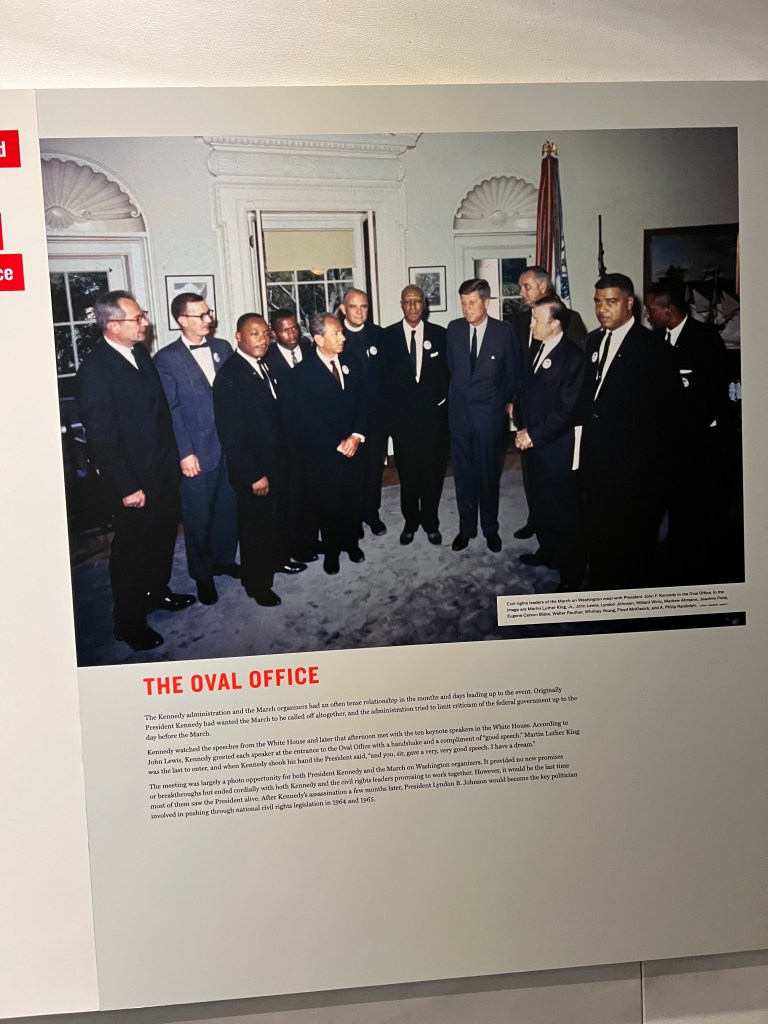
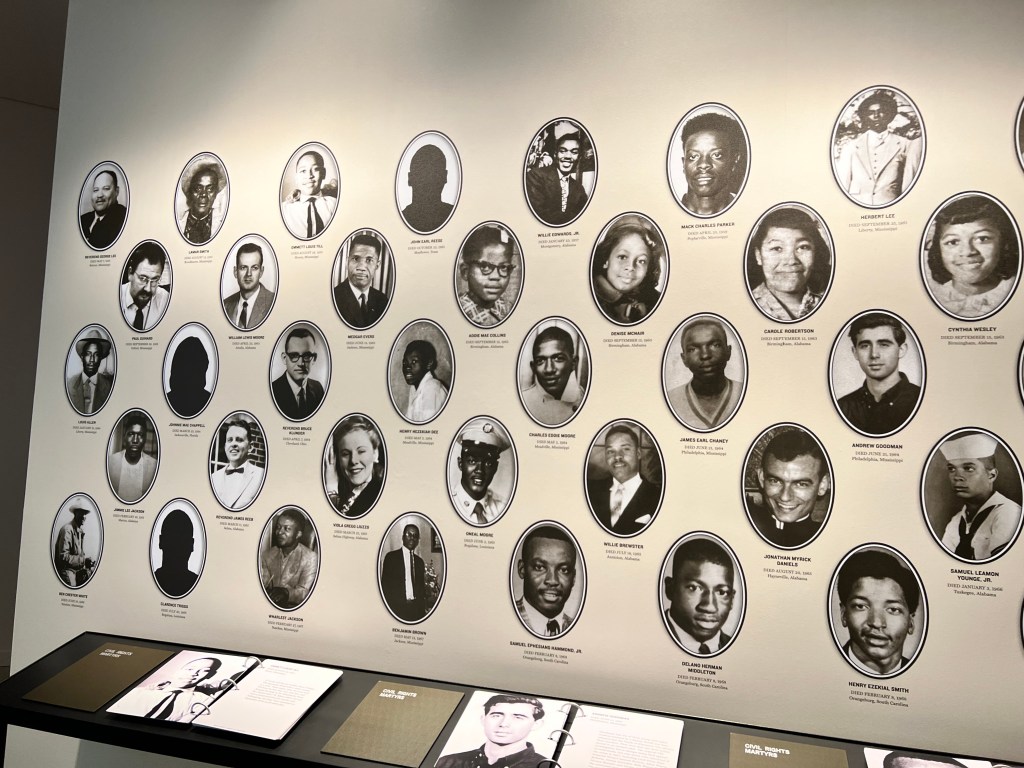
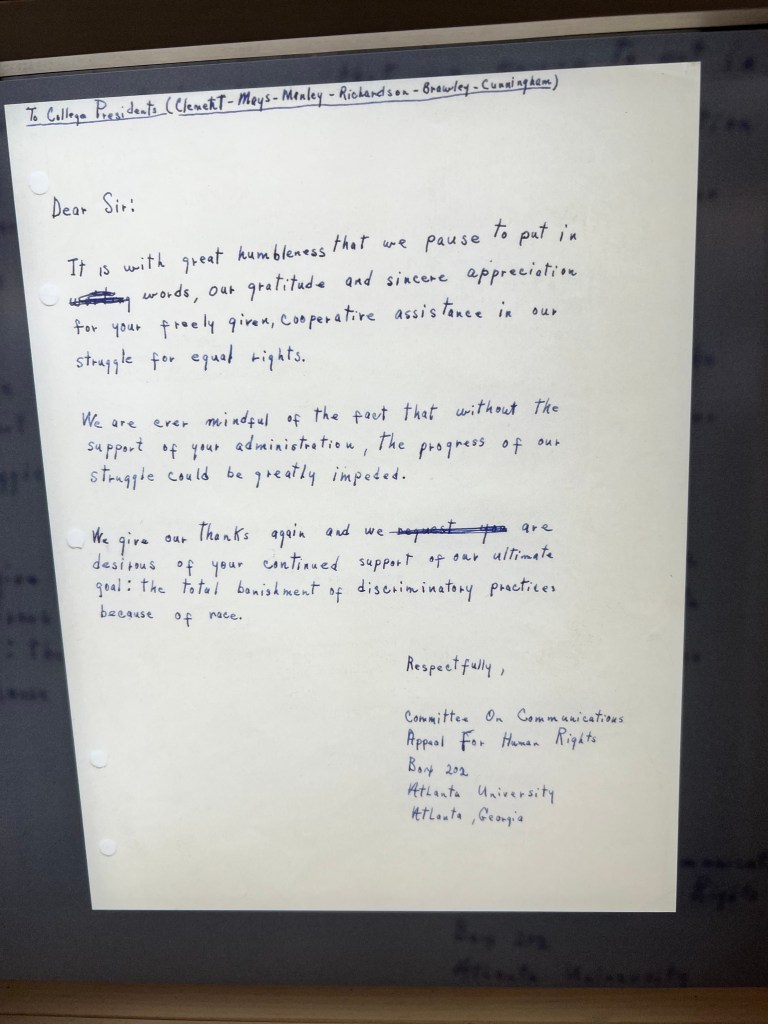
I had the chance to walk through the new Martin Luther King exhibit. In this exhibit, there were personal papers and books from the civil rights leader himself. It’s very moving, very thoughtful. Included was a plan for “Operation Breadbasket”. Some of the core principles of Operation Breadbasket led to the creation of the Affirmative Action law. Operation Breadbasket primarily focused on the rights of African Americans, whereas affirmative action focuses on minorities.
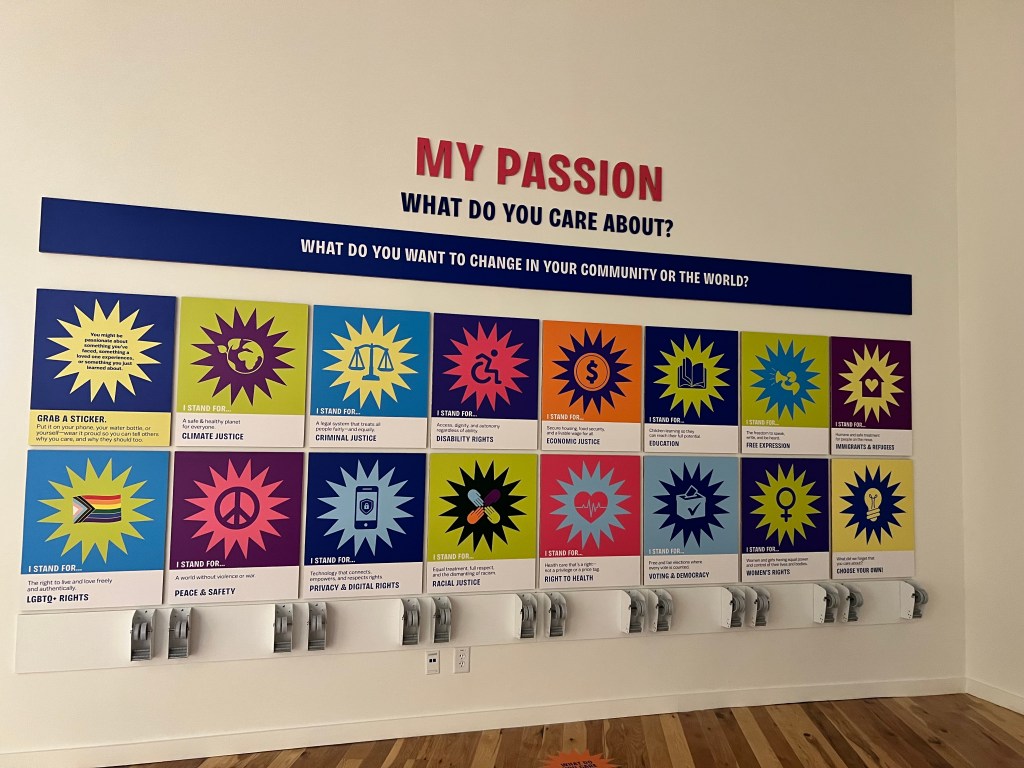
In the action lab, they demonstrate the various ways you can support civil and human rights around the world today. They ask you questions like, ‘What can you do around you?’ or ‘Who is affected when rights are violated?’ There is a display that shows how you can show support and ways to get involved. One of the critical questions asked was, What is your passion when it comes to civil rights movements? The exhibit goes on to illustrate how the world consistently struggles with human rights. On one of the displays, they ask, ‘Do you know your human rights?’ They have the Universal Declaration of Human Rights, also known as UDHR. It essentially states that every person, regardless of who they are or where they come from, deserves to live with safety, freedom, and dignity. It’s a global agreement for how people must be treated. The UDHR was born out of the devastation of World War II and the holocaust(Center for Civil and Human Rights). United Nations came together to ensure that such suffering could never happen again.

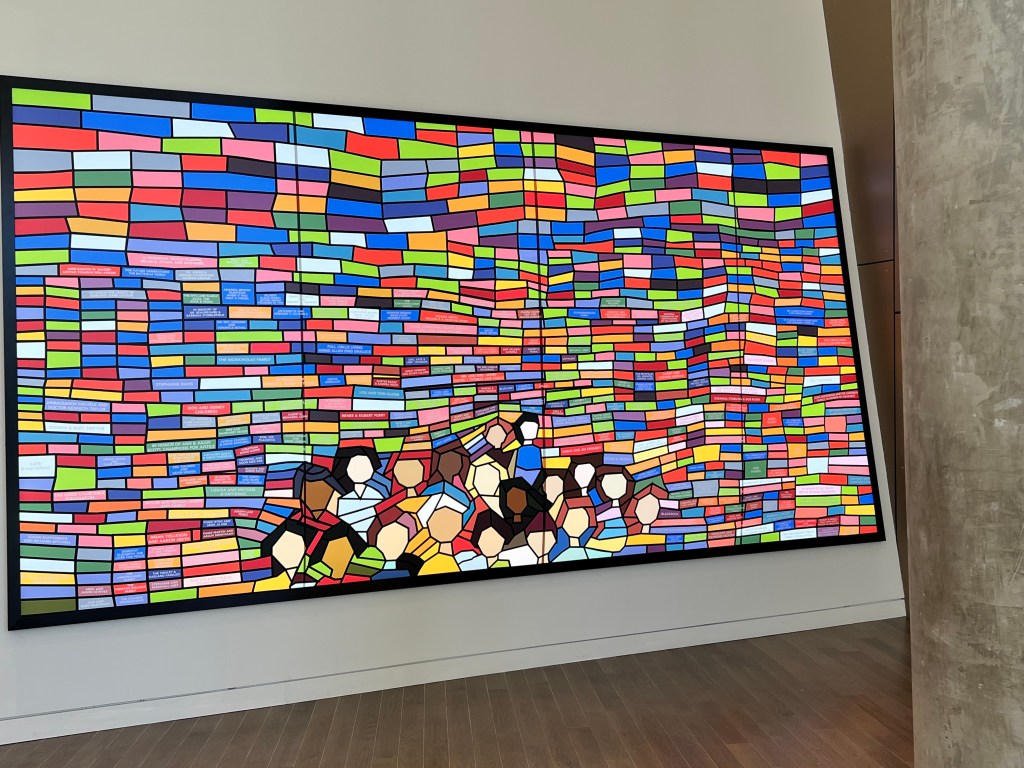
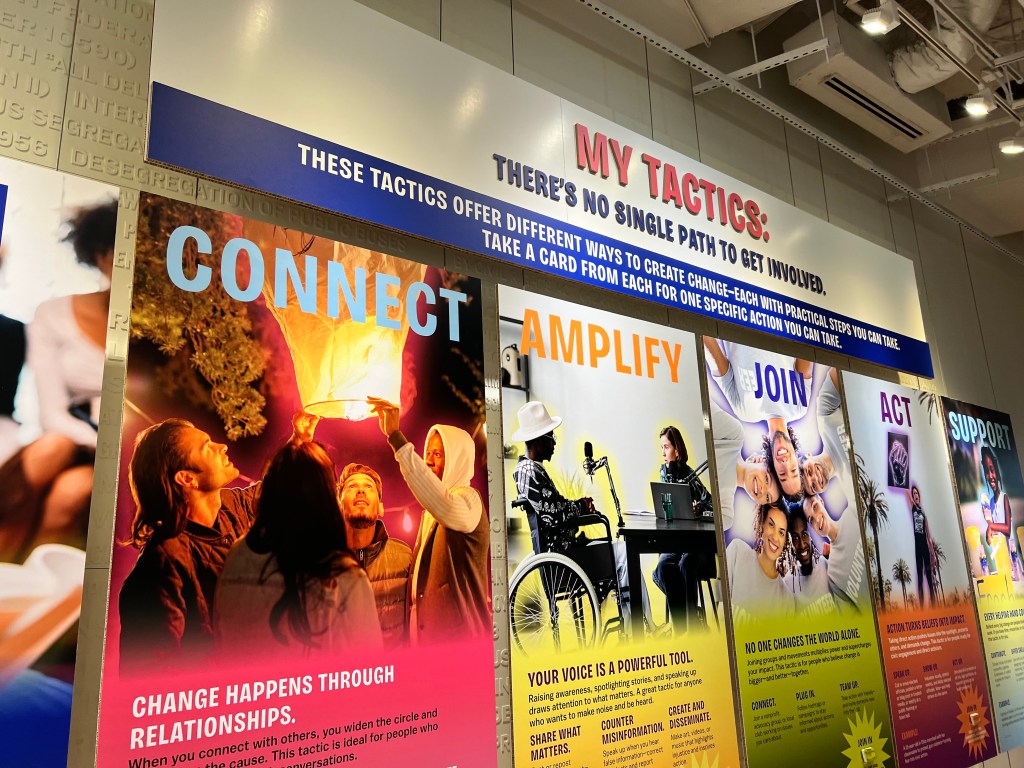


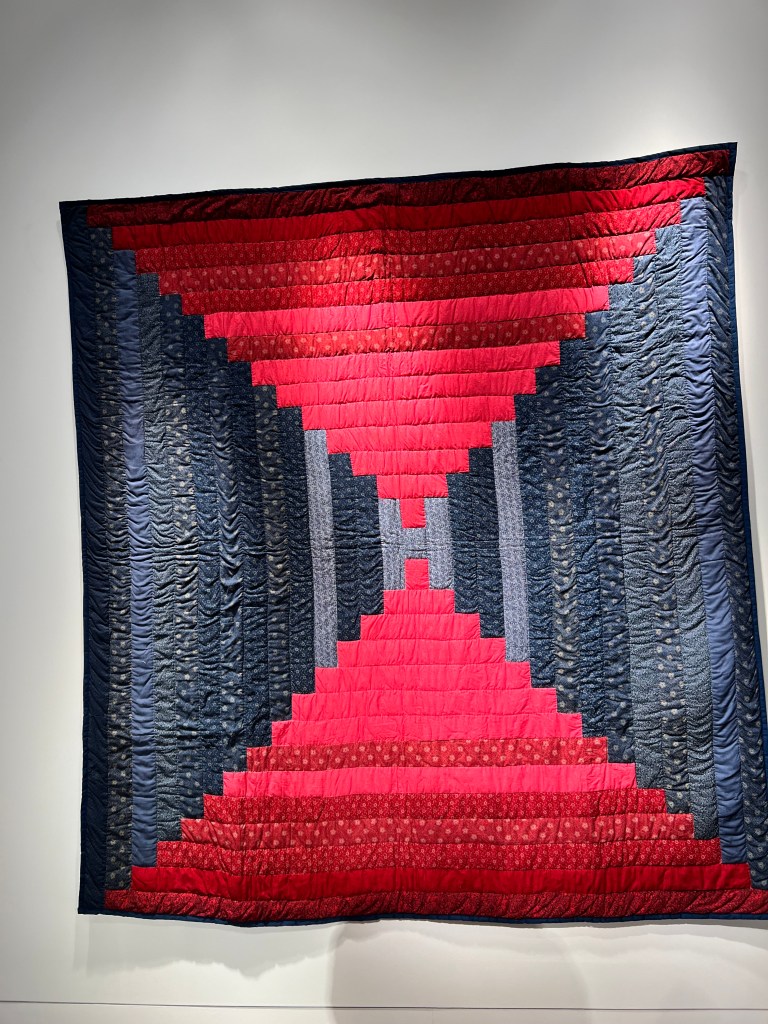
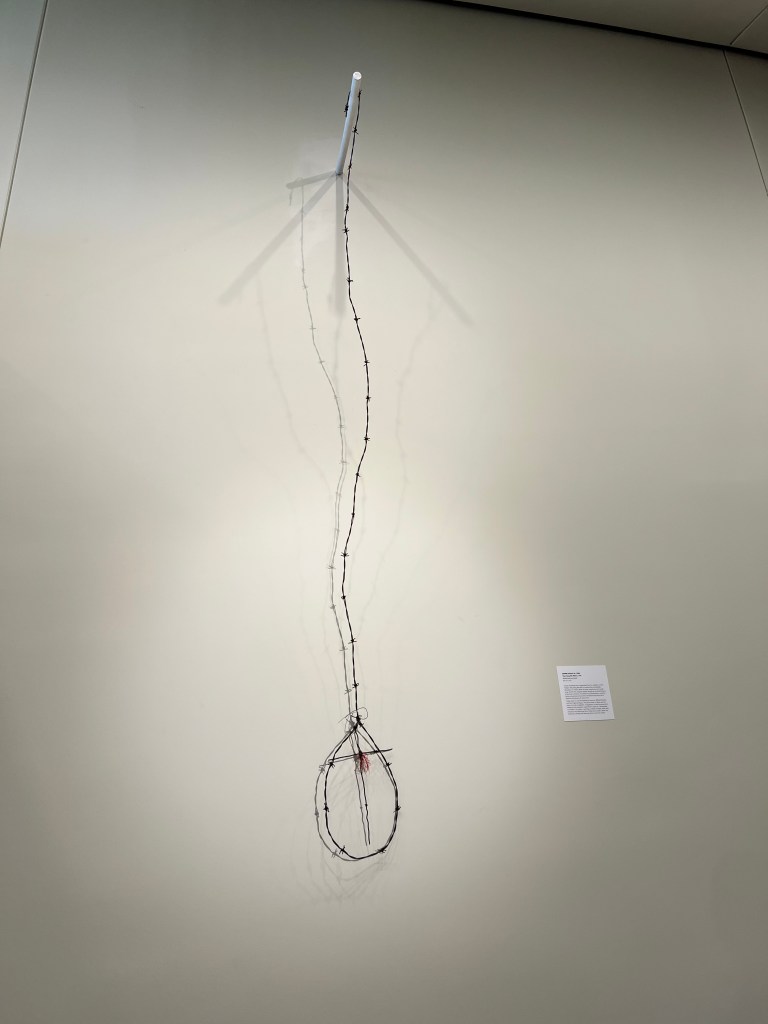
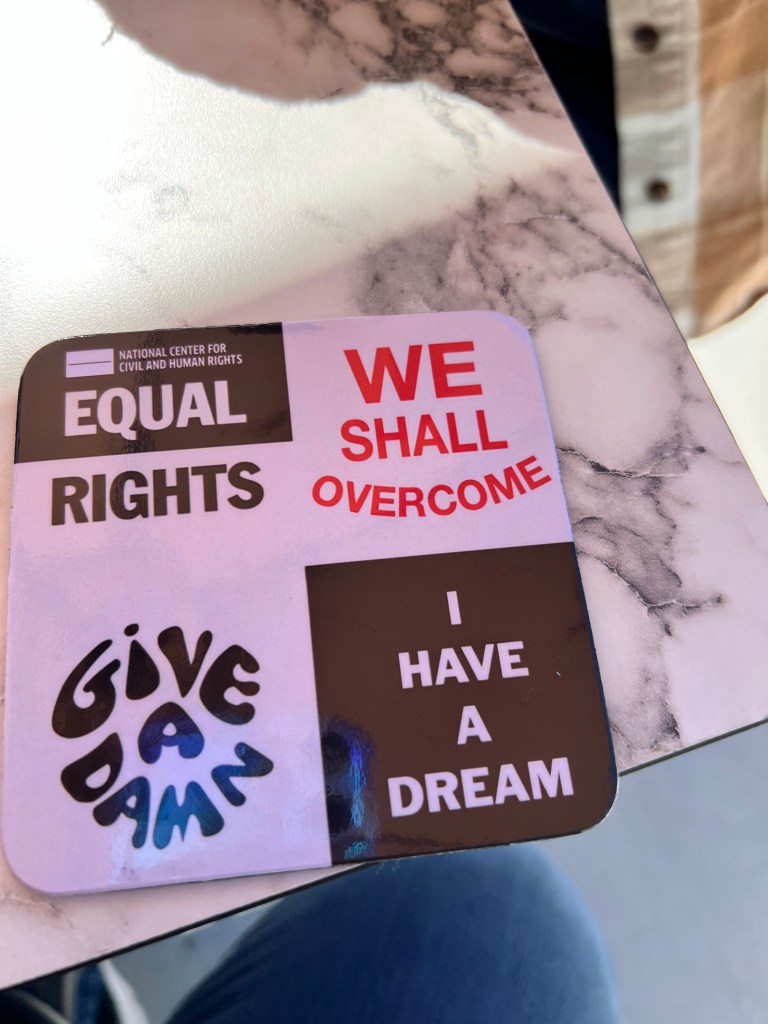

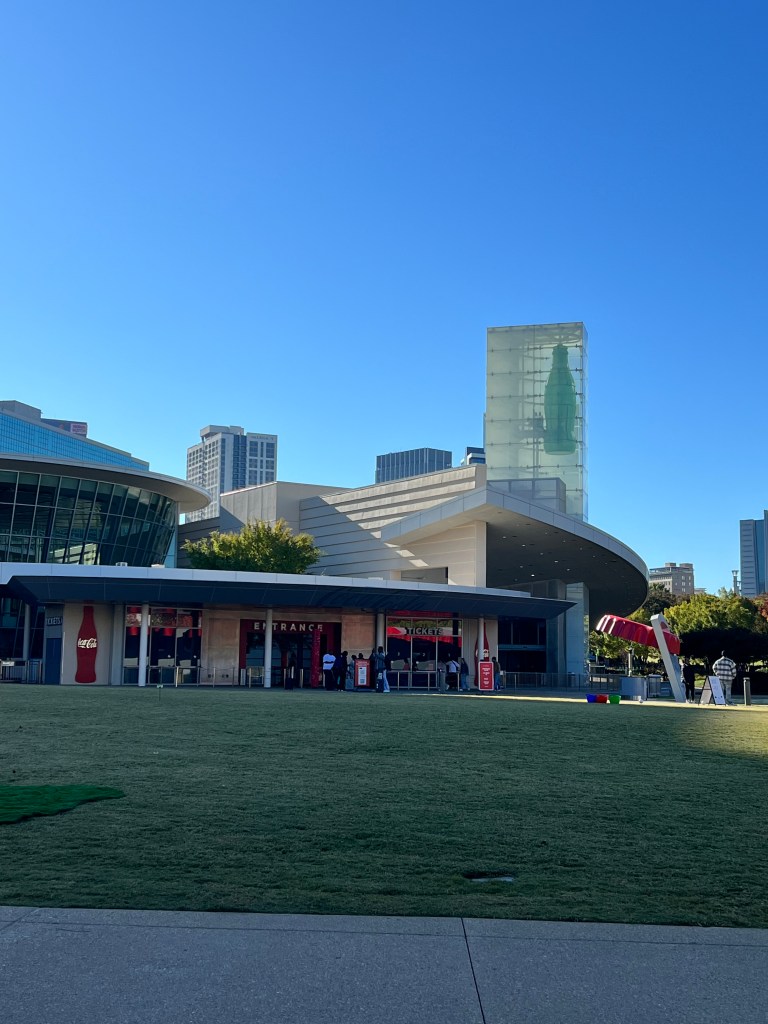
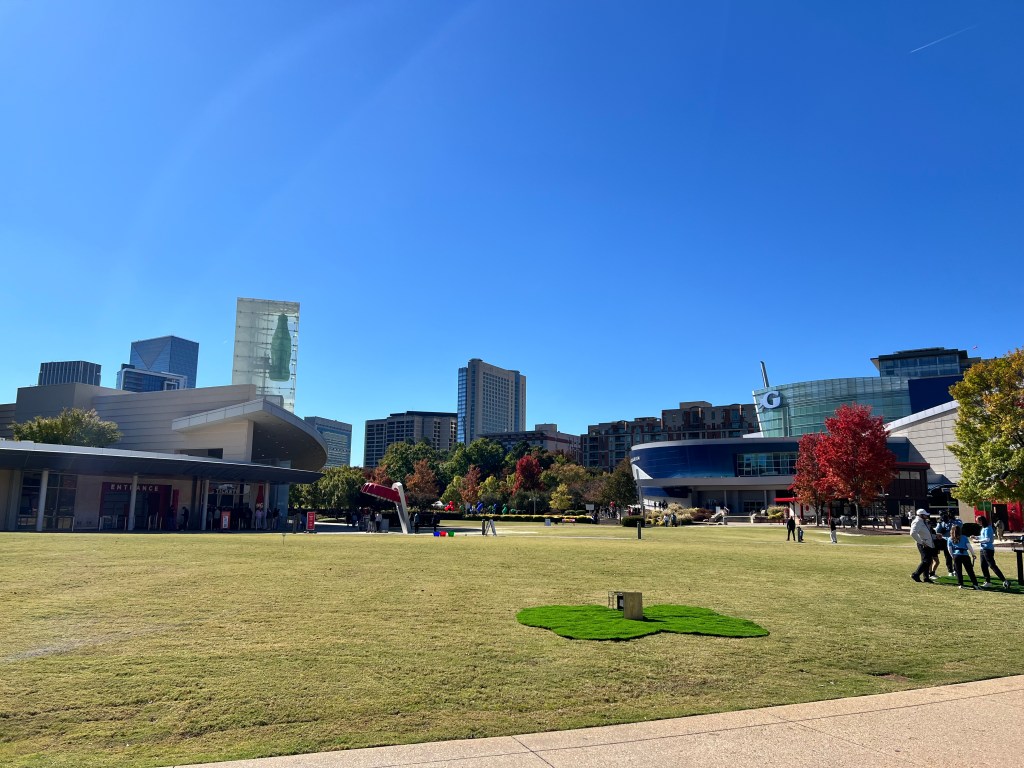
The museum will reopen on November 8 with new exhibits, updated clothing in the gift shop, and a new webpage. It is a wonderful place to visit in the Atlanta area. The museum is located in the same park as the Coca-Cola Museum and the Georgia Aquarium.
 Adorkable Musings
Leave a comment